
Acupuncture for Depression
Depression Treatment
Acupuncture and herbal medicine for depression in Los Angeles. Nature Acupuncture & Herbs offers integrative care alongside therapy and medication for low mood and emotional fatigue.
- What it is
- A persistent state of low mood, emotional flatness, loss of interest, and fatigue that affects daily functioning and mental well-being.
- Common causes
- Neurotransmitter imbalances, chronic inflammation, HPA-axis dysregulation, and significant life stressors that impact the body's emotional and physical vitality.
- How we treat it
- Acupuncture and herbs regulate serotonin and norepinephrine while normalizing cortisol rhythms, providing complementary support to improve mood, sleep, and energy levels.
About This Condition
Depression takes many forms — persistent low mood, loss of interest, fatigue that sleep doesn't fix, brain fog, social withdrawal, and the heavy emotional flatness that medication doesn't always reach. Acupuncture and herbal medicine are well-suited as complementary support: they address the physiological substrates of depression (HPA-axis dysregulation, neurotransmitter imbalance, chronic inflammation) without replacing the foundational care of therapy and, when appropriate, antidepressant medication.
We treat depression as part of integrative care, not in place of it. Our practitioners coordinate with your therapist or prescriber where helpful and never advise stopping medication. What we offer is an additional pathway, particularly valuable when conventional treatment has plateaued or when side effects are limiting your options.
How Does Acupuncture Help Depression?
Research on acupuncture for depression has accumulated steadily. A 2018 Cochrane review of 64 trials found acupuncture produced clinically significant reductions in depression scores compared to no-treatment controls and was comparable to SSRIs in several head-to-head comparisons. Mechanistically, acupuncture upregulates serotonin and norepinephrine signaling, normalizes cortisol rhythms, and reduces neuroinflammatory cytokines that have emerged as a driver of treatment-resistant depression.
Herbal medicine adds another lever. Formulas containing bupleurum, lily bulb, and St. John's wort have been used historically for low mood; modern formulations adapt these to individual constitutions. We always check for interactions with prescribed medications before recommending any formula.
What to Expect at Nature Acupuncture
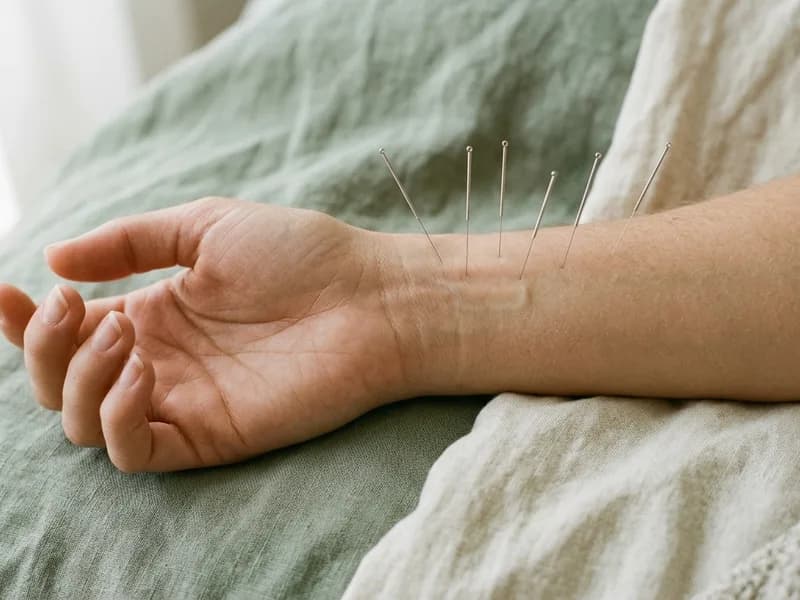
Initial sessions involve a careful intake — symptom history, sleep, energy, current treatments, medications. Acupuncture for depression uses points that calm the nervous system and lift constitutional energy: typically a combination of head, chest, wrist, and lower-leg points. Sessions are deeply restful. Most patients notice improved sleep and reduced reactivity within 3–5 sessions; mood and energy shifts develop more gradually over 8–12 sessions.

Acupuncture for Depression
Available at all three Los Angeles locations - West LA, Hawthorne, and Lynwood.
Book an AppointmentVerify Your InsuranceRelated Services
Common Questions
Frequently Asked Questions
Can acupuncture help depression?
Yes. clinical evidence supports acupuncture as a complementary treatment for mild-to-moderate depression. It is not a replacement for therapy or medication, but it can meaningfully reduce symptoms and improve treatment response when added to conventional care.
Can I do acupuncture while taking antidepressants?
Yes. Acupuncture is safe alongside SSRIs, SNRIs, bupropion, and other antidepressants. Many patients combine the two and find acupuncture reduces medication side effects (fatigue, libido changes) while supporting symptom relief. Never adjust medication without your prescriber's guidance.
What role does herbal medicine play?
Herbal formulas can support mood, sleep, energy, and digestive symptoms that often accompany depression. Formulas are individualized based on your specific pattern. We always screen for interactions with current medications before recommending any formula.
How long until I notice a difference?
Sleep and reactivity often improve in the first 3–5 sessions. Mood and motivation changes develop more gradually, typically over 8–12 weekly sessions. Patients respond at different speeds; your practitioner will reassess each visit.
Is acupuncture a substitute for therapy?
No. Therapy addresses the cognitive, emotional, and relational dimensions of depression that acupuncture cannot directly reach. We see acupuncture as an addition to therapy, not a replacement. Many patients find that acupuncture's nervous-system regulation makes therapy more effective.
Related Conditions
You may also be interested in


3
LA Locations
10+
Years Experience
Most
Insurance Accepted
Ready to Treat Your Depression?
Book a new patient consultation at any of our three Los Angeles locations.